Views: 0 Author: Site Editor Publish Time: 2026-01-20 Origin: Site
How long do LASER WELDING MACHINES last? With their precision and efficiency, these machines are vital in industries like automotive and aerospace. However, understanding their lifespan is crucial for long-term investments.
In this article, we’ll explore the factors that influence the longevity of a LASER WELDING MACHINE, including maintenance, usage, and environment. You’ll also learn practical tips to maximize the lifespan of your machine, ensuring optimal performance for years to come.
The heart of a LASER WELDING MACHINE is the laser source, and its longevity plays a major role in the overall lifespan of the machine. Fiber lasers, which are the most common type of laser used in welding today, have a typical lifespan ranging from 80,000 to 100,000 hours, depending on the quality of the machine and how well it’s maintained. In comparison, older technologies like CO2 lasers typically have shorter lifespans, usually around 20,000 to 40,000 hours.
Fiber lasers are more durable and energy-efficient, making them a popular choice for high-intensity, continuous welding applications. However, even fiber lasers require periodic maintenance to ensure they remain efficient and reliable. Over time, the components such as the laser diode can degrade, reducing the machine’s performance and overall lifespan.
Laser Type | Typical Lifespan (hours) | Maintenance Requirements |
Fiber Laser | 80,000–100,000 | Low maintenance, clean optics |
CO2 Laser | 20,000–40,000 | Higher maintenance, lens cleaning |
Diode-pumped Nd:YAG | 30,000–40,000 | Regular diode replacement |
The frequency of use and the intensity of the workload are significant factors in determining how long a LASER WELDING MACHINE will last. Machines used for continuous, high-volume production will experience more wear and tear than those used intermittently or for lighter tasks. High-power lasers, which are often used in heavy-duty applications, generate more heat, increasing the likelihood of component degradation over time.
On the other hand, machines that are used sparingly or under less demanding conditions will generally last longer. Proper usage, including maintaining optimal welding speeds and parameters, will also extend the life of the laser welding equipment.
Tip: To maximize the lifespan of your LASER WELDING MACHINE, consider your production needs and the intensity of usage. Avoid running the machine at full capacity for extended periods unless necessary.
Regular maintenance and inspections are essential for extending the life of a LASER WELDING MACHINE. This includes cleaning the optics, replacing consumable parts like lenses and protective covers, and ensuring that all internal components are functioning properly. Cooling systems, which prevent overheating, must also be regularly checked. Without proper maintenance, the risk of overheating or damage to sensitive components increases, leading to premature failure.
Many manufacturers recommend scheduled preventive maintenance, including inspections of the laser head, cooling system, and beam delivery components. Keeping the machine clean and free from dust or debris will help maintain its performance and longevity.
Maintenance Task | Frequency | Importance |
Cleaning Lenses | Every 3–6 months | Prevents optical degradation |
Replacing Protective Glass | As needed | Ensures beam stability |
Cooling System Check | Every 6 months | Prevents overheating |
The environment in which a LASER WELDING MACHINE operates plays a significant role in its lifespan. Laser welders should be used in clean, well-ventilated spaces. Exposure to dust, high humidity, or extreme temperatures can damage the machine’s components, leading to reduced efficiency and a shorter lifespan.
Environmental factors such as air quality, humidity, and temperature can affect sensitive parts like optics and the laser source. Dust accumulation can clog the cooling system, leading to overheating, while high humidity can cause electrical components to corrode over time.
Tip: Ensure your LASER WELDING MACHINE is used in a clean, controlled environment. Temperature and humidity should be kept within the recommended range to avoid environmental damage.
The quality of the LASER WELDING MACHINE and the reputation of the manufacturer also influence its lifespan. High-quality machines from reputable brands tend to have more durable components, better design, and superior overall construction. These machines are built to withstand the rigors of industrial use, with more reliable performance over time.
While cheaper machines may appear more affordable upfront, they often require more frequent repairs and replacements, resulting in higher long-term costs. Investing in a high-quality LASER WELDING MACHINE from a reputable manufacturer ensures better reliability and a longer service life.
Tip: When choosing a LASER WELDING MACHINE, consider investing in a well-known, reputable brand to ensure durability and longevity.
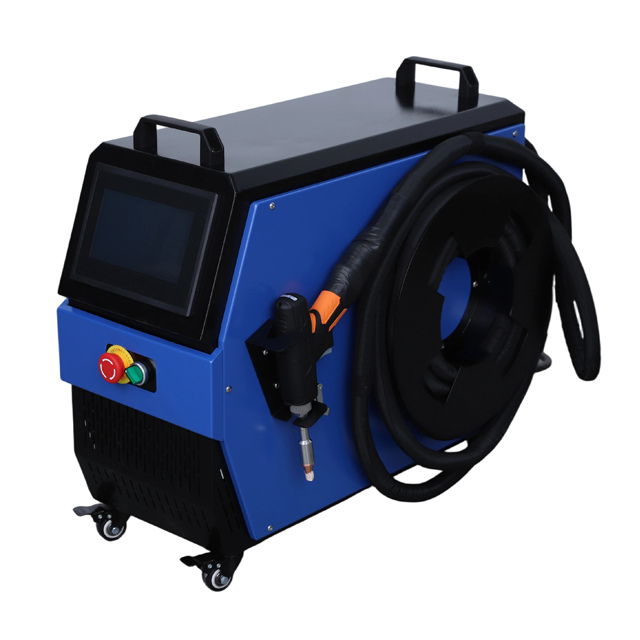
As mentioned earlier, regular maintenance is critical for extending the life of a LASER WELDING MACHINE. Always follow the manufacturer’s guidelines for cleaning, inspections, and replacement of parts. Scheduling regular checks ensures that any potential issues are addressed before they become serious problems, helping to avoid costly repairs or downtime.
Tip: Follow the manufacturer's maintenance schedule strictly and invest in a service plan that includes regular checks by trained professionals.
Effective cooling is essential for preventing thermal damage to the laser welding machine. High-power lasers generate significant heat, and without an efficient cooling system, components can overheat, leading to premature failure. Regularly check and maintain the cooling system, ensuring that the coolant is at the proper level and there is no blockage in the system.
Tip: If operating in a high-intensity environment, invest in an advanced cooling system to ensure consistent performance and extend your machine’s lifespan.
Using the LASER WELDING MACHINE correctly is essential for its longevity. This includes operating at the right settings, avoiding unnecessary stress on the machine, and ensuring that you are not exceeding the recommended workload for extended periods. Additionally, avoiding abrupt stops or sudden changes in welding parameters can help prevent strain on the components.
Tip: Regularly monitor machine performance, including power consistency and beam quality, to ensure it operates efficiently. Adjust settings when needed to prevent damage.
Fiber lasers, widely used in modern LASER WELDING MACHINES, have the longest lifespans, often exceeding 100,000 hours. Fiber lasers are energy-efficient and have fewer moving parts compared to older laser types, which reduces wear and maintenance requirements. These lasers are highly resistant to environmental stress, making them a top choice for long-term industrial applications.
Laser Type | Expected Lifespan | Advantages |
Fiber Laser | 80,000–100,000 hours | Low maintenance, high efficiency |
CO2 Laser | 20,000–40,000 hours | Suitable for thick materials, but requires more maintenance |
Nd:YAG Laser | 30,000–40,000 hours | High peak power, more maintenance required |
CO2 lasers have been the industry standard for many years but have a shorter lifespan compared to fiber lasers. Nd:YAG lasers, while powerful, require more frequent maintenance and are increasingly being replaced by fiber lasers in modern applications.
Tip: When selecting a LASER WELDING MACHINE, consider fiber lasers for their superior longevity and low maintenance, especially if long-term performance is essential.
In conclusion, the lifespan of a LASER WELDING MACHINE is influenced by various factors such as laser type, usage frequency, maintenance practices, and environmental conditions. With proper care, these machines can last for many years, providing high performance and reliability. Regular maintenance, operating in a controlled environment, and adhering to manufacturer guidelines are key to extending their life.
Nanjing Speedy Laser Technology Co., Ltd. offers high-quality LASER WELDING MACHINES designed for long-term use. Their products are built to deliver exceptional performance, ensuring that businesses get the most value from their investment in welding technology.
A: LASER WELDING MACHINES can last between 8 to 12 years, depending on factors such as the type of laser, usage frequency, and maintenance. Regular care can extend their lifespan significantly.
A: Key factors include the laser source type, maintenance practices, frequency of use, and operating environment. Proper maintenance and operating conditions can maximize the machine's service life.
A: To extend the life of your LASER WELDING MACHINE, ensure regular cleaning, check the cooling system, and follow manufacturer maintenance schedules. Using the machine in clean, controlled environments is also crucial.
A: No, the lifespan varies depending on the laser type and brand. Fiber lasers generally last longer than older technologies like CO2 lasers. Choosing a high-quality machine will ensure better durability.
A: If performance drops, check for issues like cooling system malfunctions, dirty optics, or worn components. Regular inspections and preventive maintenance can prevent major failures.